Powered by RedCircle
Why Wedding Guests Feel Like Spectators – and How to Design a More Memorable Experience
If you’ve ever been to a beautiful wedding that somehow still felt a little flat, you’re not alone. Julie Comfort, founder of The Experiential Wedding and author of Beyond Pretty, says the problem usually isn’t the flowers, the food, or even the venue – it’s that guests are often treated like spectators instead of participants.In this conversation, Julie shares a powerful shift for couples and planners: start with the feeling you want guests to have, then design the wedding around that experience. From creating interaction to using storytelling and personal details, her approach helps weddings feel more intentional, more memorable, and a lot more like you.
Guests Aren’t Just Attending – They’re Part of the Experience
A lot of couples put enormous energy into the visual side of the wedding. That makes sense. You want the space to look beautiful, feel cohesive, and reflect your style. But Julie points out that beauty alone doesn’t create connection.What many weddings miss is a reason for guests to truly engage.When guests arrive, they usually know the basic script: watch the ceremony, eat dinner, maybe dance, then go home. That format works – but it also puts them in a passive role. They’re present, but not necessarily involved.Julie’s point is simple: if you want guests to remember the wedding, they need to do something, not just observe.That doesn’t mean turning your wedding into a full-on activity fair. It means thinking more intentionally about interaction. How do guests meet each other? How do they feel welcomed? What makes them feel like they mattered to the day? A wedding becomes more memorable when guests feel like the celebration would have been incomplete without them. Julie says she’s been to many weddings where everything looked perfect, but the experience itself disappeared almost immediately after it ended. That’s often what happens when the focus is only on aesthetics. People remember how they felt. They remember whether they were included. They remember whether the event gave them something to connect with.If the answer is no, the wedding can still be lovely – but not especially sticky in memory.
Ask yourself:
- What will guests actually do at our wedding?
- How will they interact with each other?
- What role do they play in the celebration?
Even one thoughtful touch can change the tone from “I attended a wedding” to “I was part of something.”
Small Weddings Are More Intimate – But They Need More Intentionality
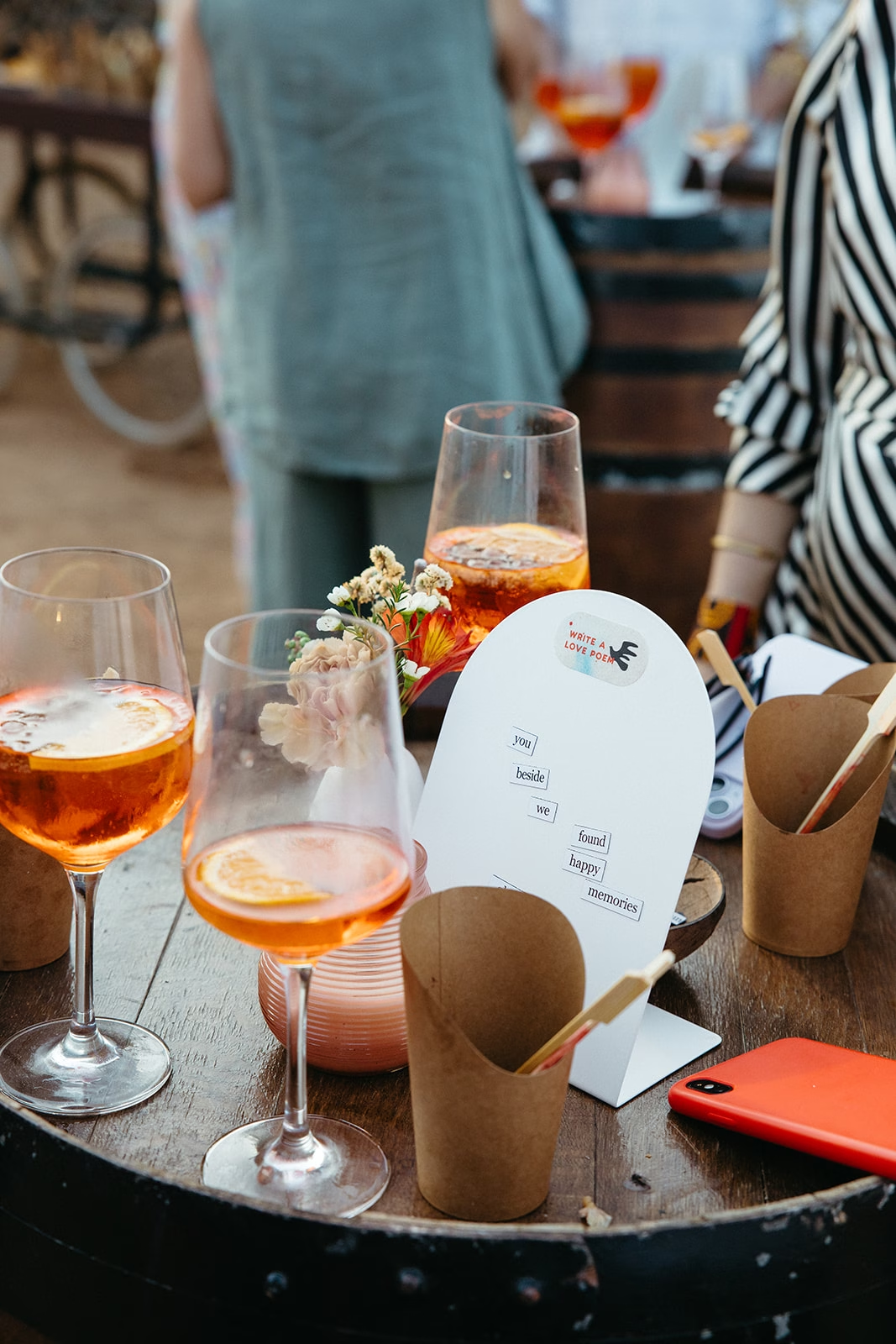
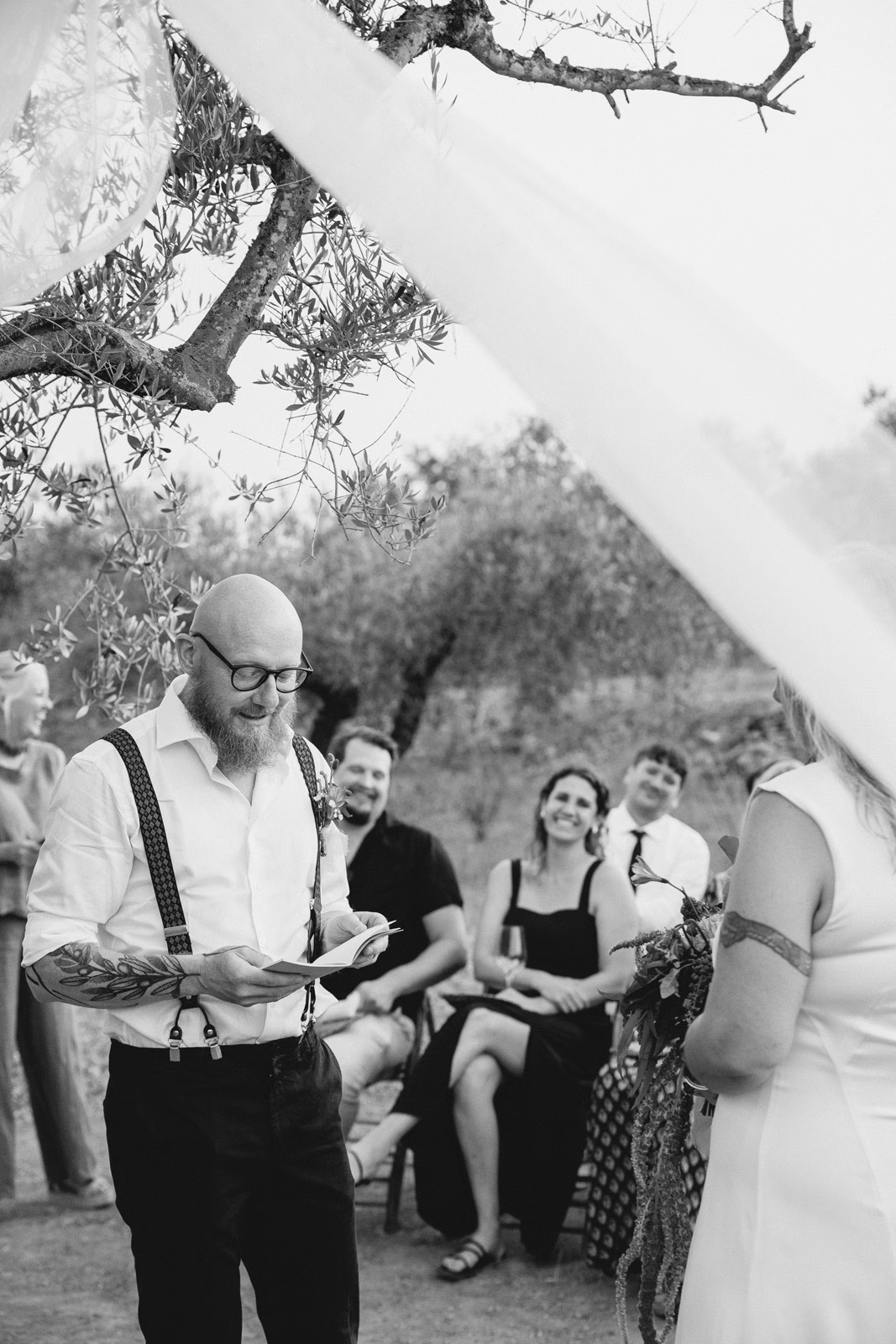
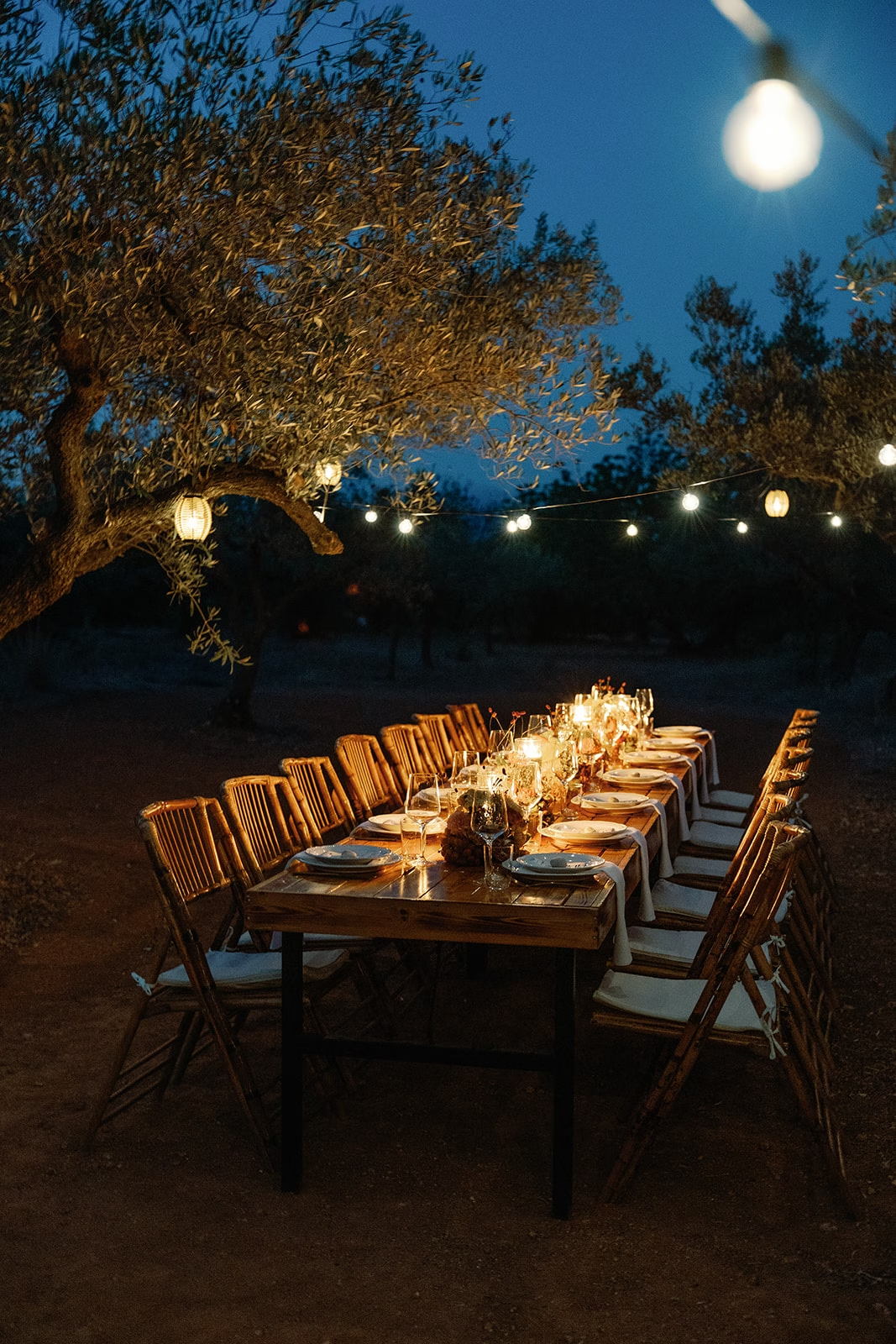
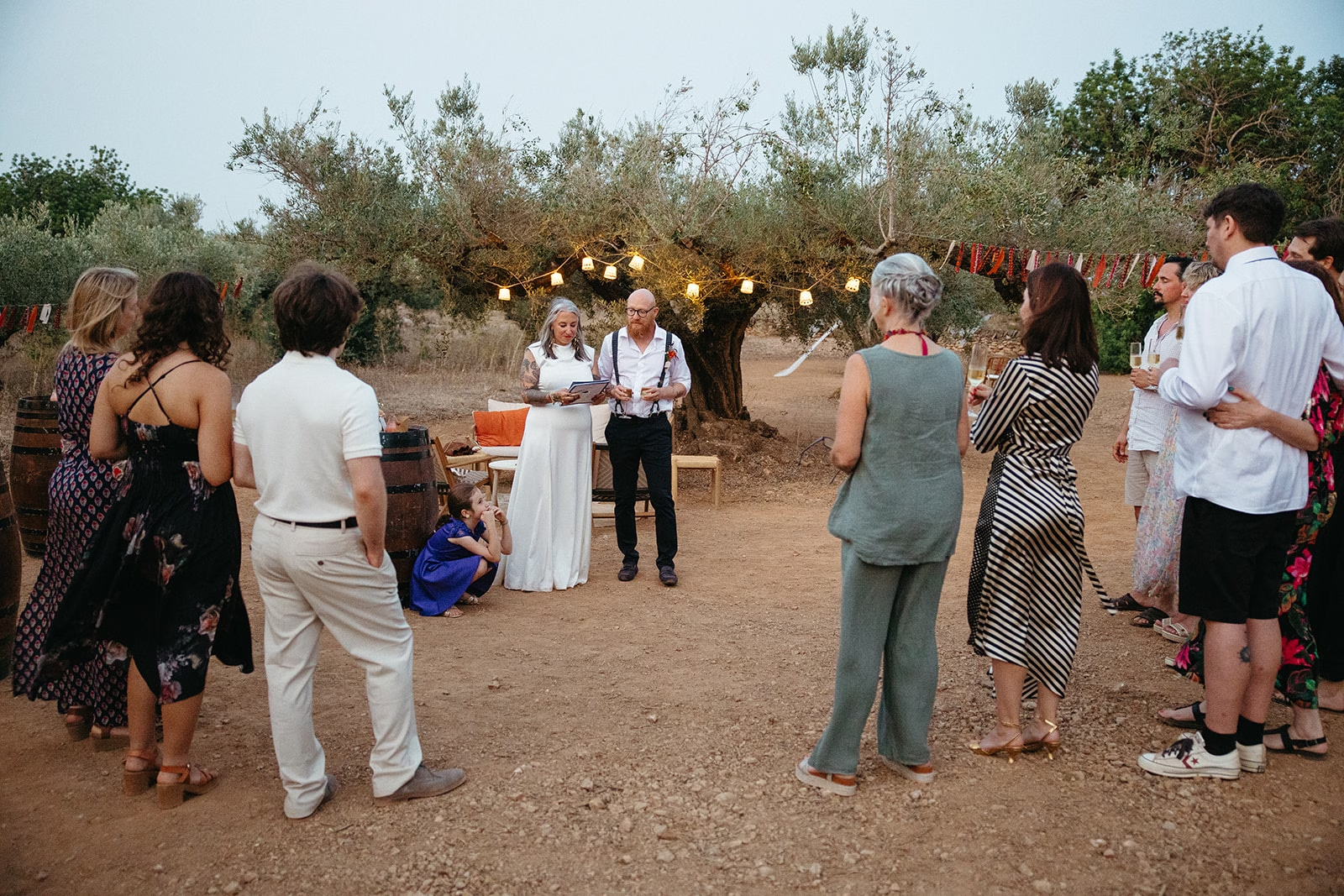
Julie is a big fan of small weddings, but she also makes an important point: smaller doesn’t automatically mean easier.In fact, the more intimate the guest list, the more intentional the experience needs to be.That’s because you can’t rely on a big crowd to generate energy for you. In a large room, people often drift, mingle, and fill the space naturally. In a smaller setting, the emotional tone has to be designed more carefully. Every detail matters more.That’s not a downside – it’s an opportunity.When the guest count is smaller, you can be more deliberate about how people connect, how the day flows, and how each person is honored. You’re not trying to entertain a room full of strangers. You’re creating a shared experience for people who matter deeply to you.Julie even references a Mark Twain idea about how making something shorter or smaller often requires more care, not less. That’s exactly how she thinks about intimate weddings: less volume, more curation. What small weddings let you do betterWith a smaller guest list, you can:
- Make each guest feel individually recognized
- Build more meaningful interactions across the weekend
- Create custom touches that wouldn’t scale well at larger events
- Spend more of your budget per person in thoughtful ways
That doesn’t mean every intimate wedding needs elaborate programming. It just means you have room to be intentional in ways big weddings often don’t allow. Don’t confuse small with effortlessThe biggest mistake couples make is assuming a small wedding will take care of its own energy. It won’t.A smaller guest list simply gives you more room to design an experience that feels personal, connected, and memorable.
The Guest Experience Gap: Why Entertainment Alone Isn’t Enough
Julie uses the phrase “guest experience gap” to describe the difference between entertaining guests and involving them.That distinction matters.A live illustrator, a fun band, a photo booth, or a stylish lounge area can all add to the atmosphere. But those things are still largely passive. Guests are watching, consuming, or reacting – not necessarily participating.Experience design goes deeper than entertainment. It asks: what is the guest doing emotionally, socially, and physically at each stage of the event?That might sound abstract, but it has practical results. When guests are given a role, a prompt, a challenge, or a shared task, the event becomes something they help create – not just something they attend. Julie’s own wedding exampleOne of the best examples Julie shared was from her own micro wedding weekend. On the first night, each guest received another guest’s name. By the end of the weekend, they had to know that person well enough to dedicate a song to them. That one idea did a lot of work:
- It encouraged guests to talk to people they might not otherwise meet
- It created a secret, playful layer of interaction
- It gave the weekend a shared story
- It made everyone more emotionally invested
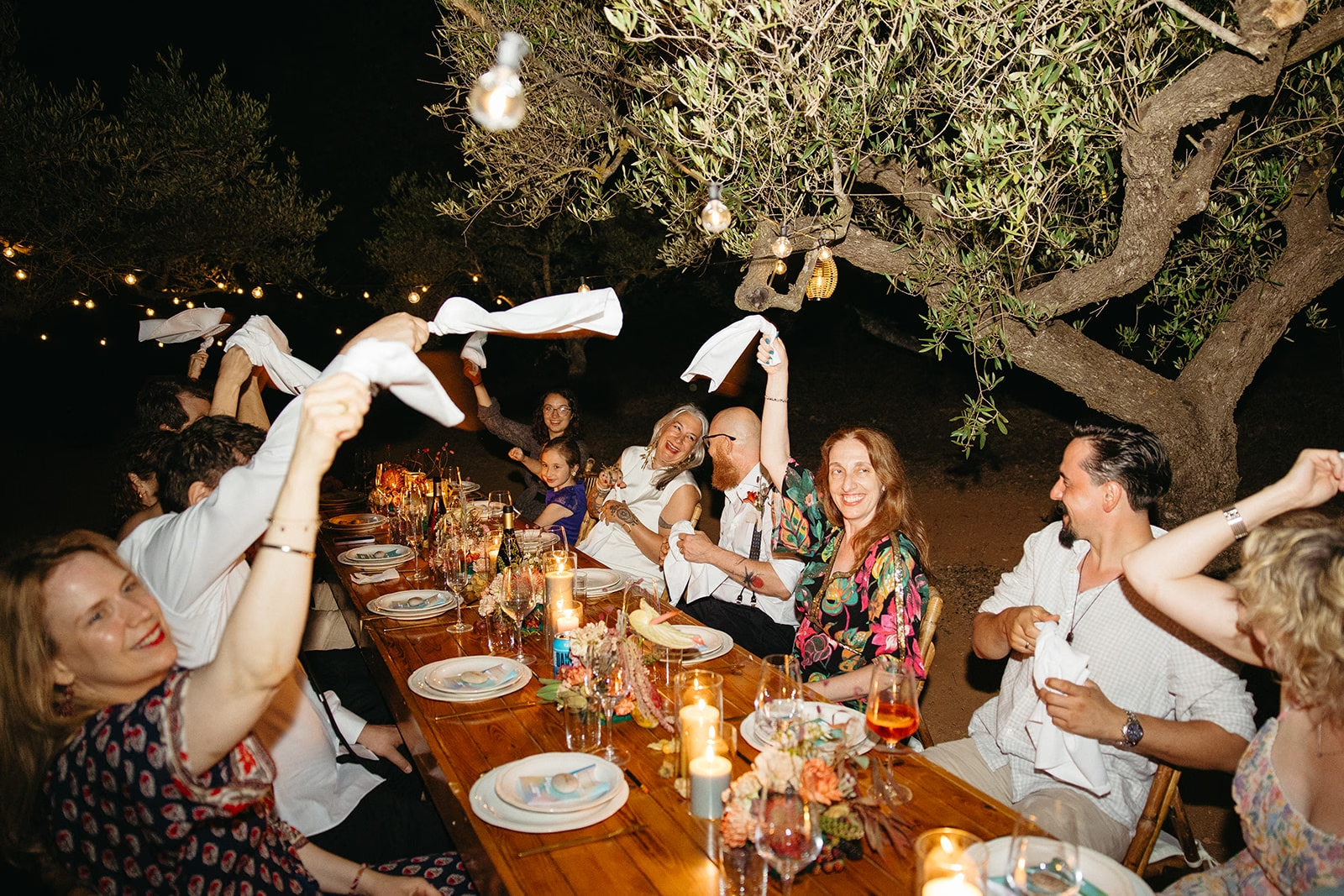
Even better, it didn’t feel like forced entertainment. It felt personal, curious, and fun.Julie says everyone took it seriously and loved it. In the group chat afterward, people shared the songs, and the couple eventually turned those songs into a playlist. That’s the kind of detail guests remember. People are more likely to remember an experience when they have to participate in it.That doesn’t mean your wedding has to be a game night. But it does mean you should think about ways to make guests active instead of passive.
Examples could include:
- A guest-to-guest challenge
- A shared storytelling prompt
- Tables competing in a lighthearted way
- A custom activity tied to your relationship
- A moment that asks guests to contribute something meaningful
The key is that the activity should feel like you, not a random Pinterest add-on.
The Best Wedding Ideas Come From Your Real Life, Not the Internet
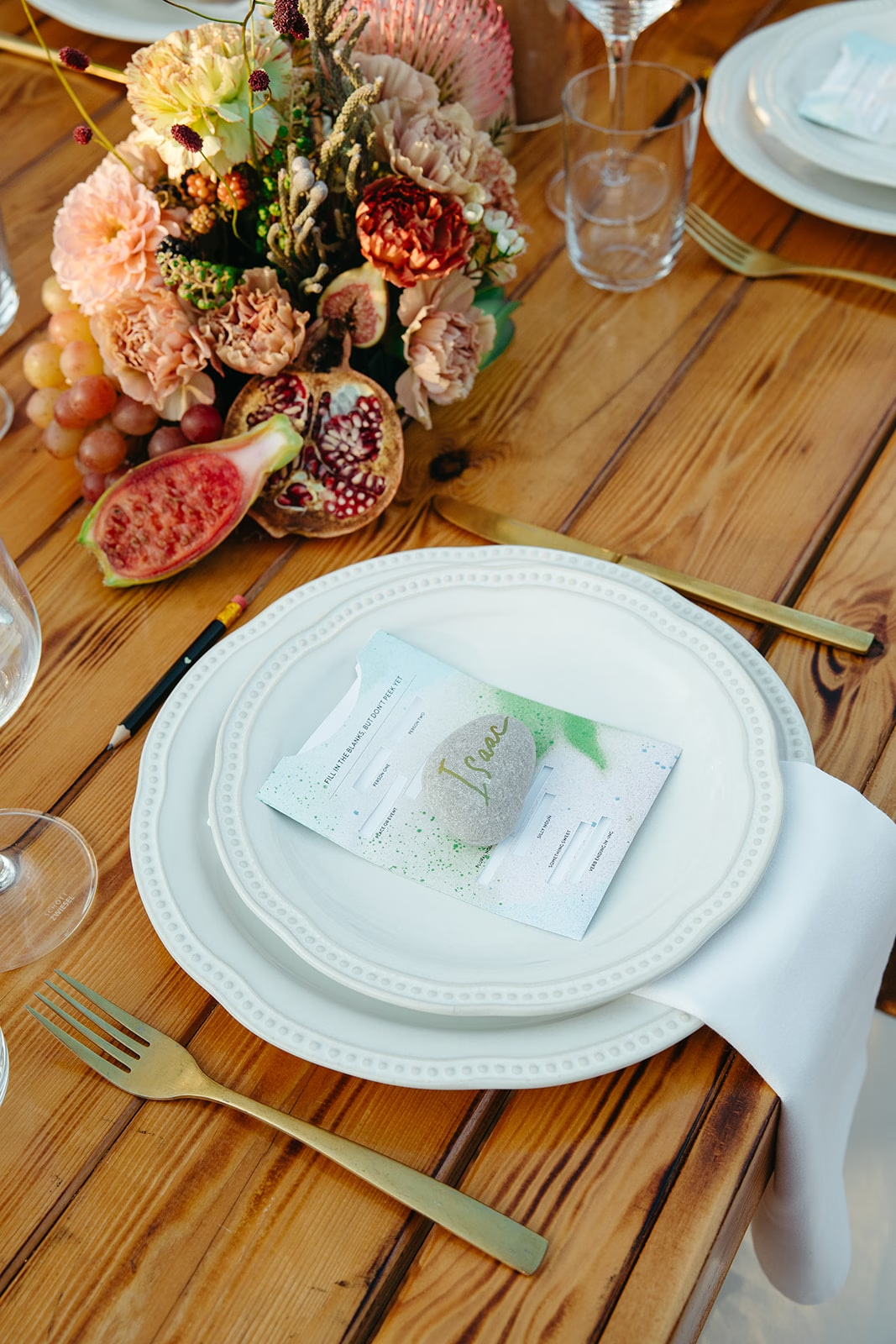
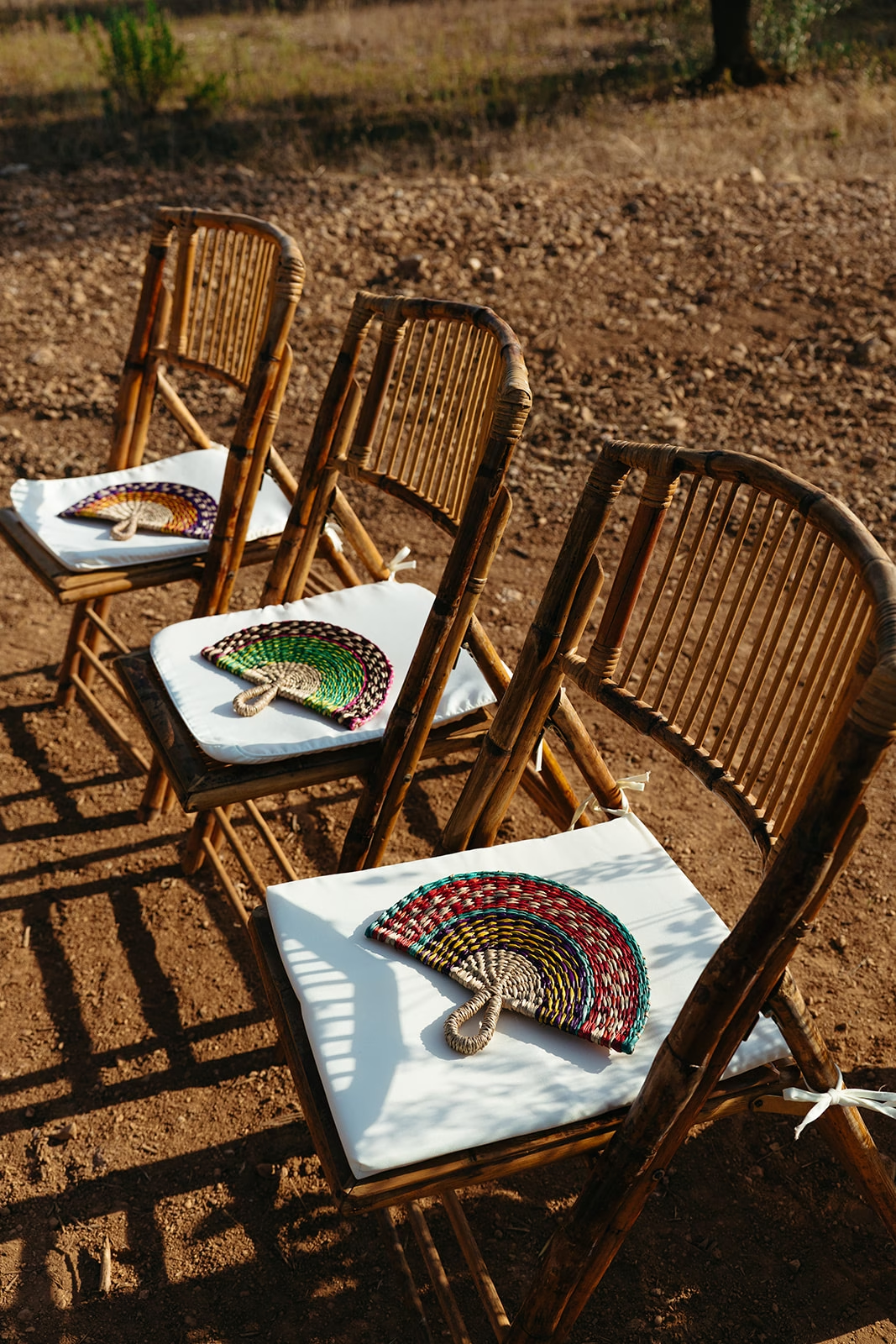
One of Julie’s strongest points is also one of the most freeing: stop copying ideas that don’t belong to you.It’s easy to get caught in the loop of wedding inspiration. You see a cool idea, then another, then another, and suddenly your wedding mood board is full of things that look amazing but don’t actually reflect who you are.Julie’s advice is to look inward first.What do you and your partner actually do together? What kind of energy do you bring into a room? What does it feel like to come over to your house for dinner? Do you host game nights? Are you cozy, playful, competitive, nostalgic, quiet, or whimsical?That’s your raw material.Your wedding doesn’t need to look like everyone else’s. It needs to feel like yours. Personal doesn’t have to mean elaborate. Julie is clear that authenticity doesn’t require a huge production. If you’re not a flashy, high-energy couple, you don’t need to force that vibe.You can build a meaningful wedding from simple, honest details:
- A favorite movie-inspired mood
- Cozy lounge areas that feel like home
- Nostalgic touches like old cameras or a pinata
- Cozy socks as favors
- A menu based on the food you actually love
Even if your personalities are quiet or understated, you can still create a rich guest experience. In fact, sometimes those smaller, more intimate gestures are the ones that land hardest. One caution: don’t copy trends for their own sake. Julie also pushes back on trends that are all style and no substance. If something is trending but doesn’t reflect your relationship or your community, skip it.Your guests will feel the difference.
Storytelling Is What Turns a Wedding Into a Memory
For Julie, storytelling is not a decorative extra. It’s central to the entire wedding experience. Why? Because storytelling is how people make meaning. A wedding with a story has shape. It has emotional movement. It leads guests somewhere. There’s a beginning, a build-up, a peak, and a closing moment that gives the event significance.That’s very similar to the structure of a classic narrative.When a wedding is only about logistics – food, music, seating charts, flowers – it may be beautiful, but it doesn’t necessarily leave a lasting emotional imprint. Story gives the day a deeper arc. Julie says couples should ask one question before anything else…
What story do we want people to tell about our wedding 10 years from now?
That question changes everything. It moves you away from default planning and into meaning-making. It helps you think about the feeling, the moments, and the memory you want to create. And that story does not need to be dramatic. It can be quiet, warm, playful, nostalgic, or intimate. Maybe the story is that everyone felt deeply included. Maybe it’s that the weekend felt like being invited into your home. Maybe it’s that your guests discovered a new side of you as a couple. Whatever it is, design toward that. Storytelling helps guests remember more than the menu. Julie jokes that no one wants the most memorable thing about their wedding to be that the chicken was good. And she’s right. Guests may forget the exact playlist or table linen color. But they’ll remember how the event made them feel, and what it seemed to say about the couple. Storytelling gives them something to hold onto.
What Julie’s Book Beyond Pretty Is Really About
Julie’s book, Beyond Pretty, grew out of years of thinking about how to bring experience design into weddings in a practical, useful way.The book is not a coffee table book. It’s more of a mindset shift and planning guide.Its purpose is to help couples move beyond surface-level inspiration and into a more thoughtful way of planning. It includes short chapters and worksheets so readers can actually apply the ideas to their own wedding. What readers can expectInstead of teaching the basics of budgeting or timelines, the book focuses on the questions couples often skip:
- How do you want guests to feel?
- What makes your relationship unique?
- How do you build connection into the day?
- How do you make the wedding feel alive, not just pretty?
That makes the book especially useful early in the planning process. It can help couples clarify what matters before they spend time and money on details that don’t really fit. A practical planning tool, not more clutterJulie is careful to say the book should reduce overwhelm, not add to it. By helping couples define the emotional and experiential goals of the wedding first, it can actually make every other decision easier. That’s the real value here.When you know what you’re trying to create, the choices get clearer.
Frequently Asked Questions
What is experiential wedding design?
Experiential wedding design is the practice of shaping a wedding around how people will feel, interact, and remember the event. It goes beyond decor and logistics to focus on emotion, engagement, and guest participation.
How do you make wedding guests feel more included?
Give them a role in the celebration. That could be a shared activity, a storytelling prompt, a meaningful task, or even a custom interaction that encourages guests to connect with one another.
Are small weddings better for guest experience?
They can be, because smaller weddings allow for more personalization and intentional interaction. But they still need thoughtful planning – smaller does not automatically mean more engaging.
Should every wedding have games or activities?
No. Activities should fit the couple’s personality and the tone of the event. The goal is not to force entertainment, but to create genuine participation and connection.
What’s the biggest mistake couples make with guest experience?
Copying ideas that look good online but don’t reflect their actual relationship, community, or values. The best ideas usually come from the couple themselves.
Julie Comfort’s approach is a reminder that a wedding is not just a beautiful even, it’s a shared human experience. When you stop thinking of guests as an audience and start designing for participation, your wedding becomes more meaningful, more memorable, and more personal. That shift doesn’t require a huge budget or a viral idea. It just asks you to be more intentional about what your guests feel, do, and remember. Want to go deeper? Check out Julie’s work at theexperientialwedding.com and her book at beyondprettybook.com.
Show Notes
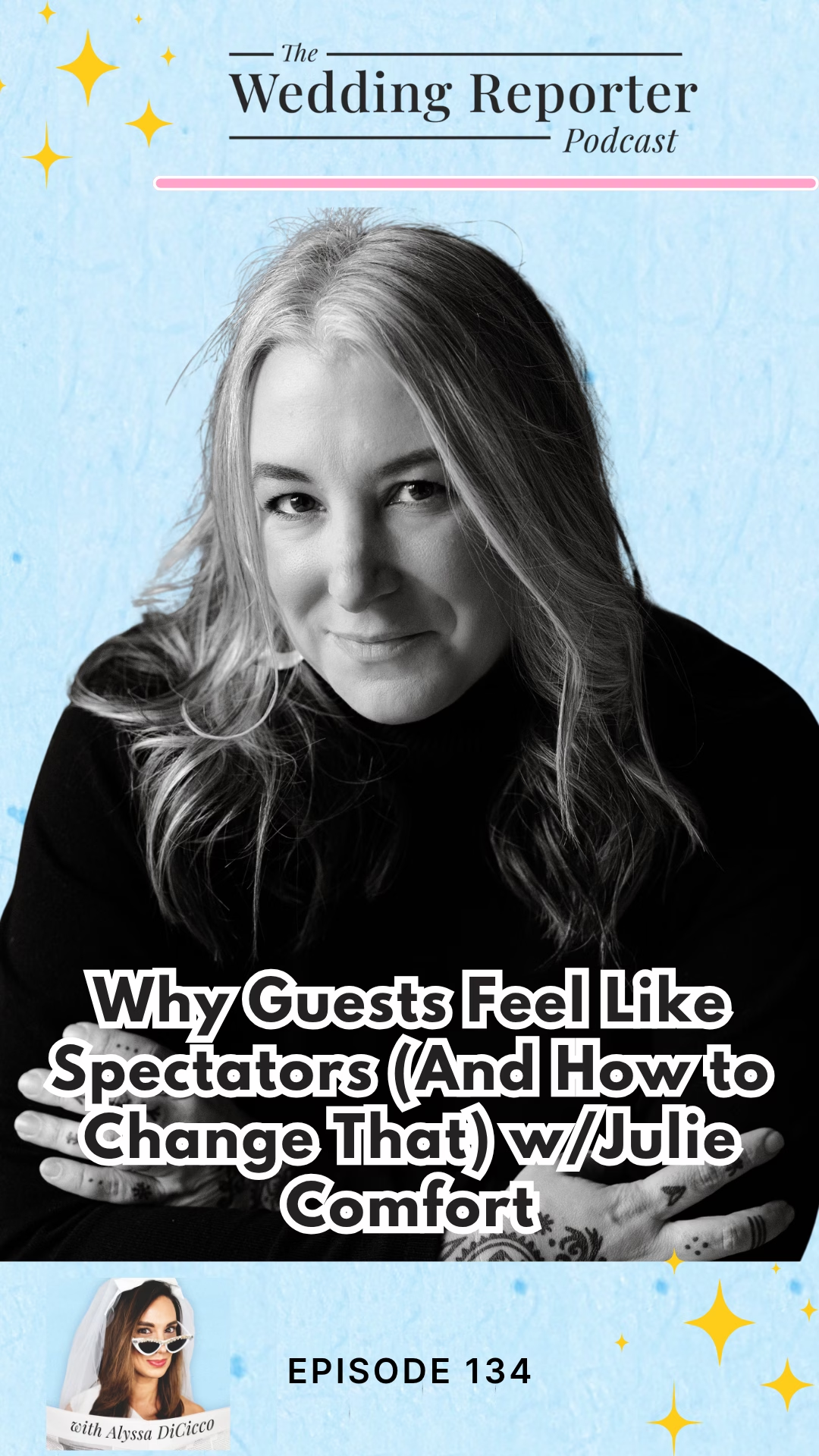
In this episode, Julie Comfort shares her journey from wedding photographer to experience designer, emphasizing the importance of designing weddings that foster genuine connection and memorable experiences. She discusses how couples can create personalized, engaging weddings that go beyond aesthetics to truly reflect their story and values.
Find Julie online here:
See more on this episode here: https://nashvillebrideguide.com/why-guests-feel-like-spectators-and-how-to-change-that-w-julie-comfort/
Subscribe to our podcast HERE: https://redcircle.com/shows/76e6a514-5adb-4b83-859d-208d403f23a5
See more videos on our Youtube Page: https://www.youtube.com/@TheWeddingReporterPodcast/
Follow The Wedding Reporter Podcast on Instagram: https://www.instagram.com/theweddingreporterpodcast/
Sign up for a Wedding Coaching Session with Alyssa: https://www.thesparklersociety.com/weddingcoaching
Download Our 5 Mistakes Couples Make After They Get Engaged Guide: https://www.thesparklersociety.com/5mistakes
Visit https://www.NashvilleBrideGuide.com for more information!