Powered by RedCircle
Planning a wedding can feel exciting right up until you open Pinterest and suddenly have 300 saved images that do not look like they belong in the same event. If that sounds familiar, you are not alone. In this episode, you will learn how to turn scattered inspiration into a clear wedding design direction, how to tell the difference between a trend and a style that actually feels like you, and why starting with your wedding feelings can save you time, money, and decision fatigue. Rebecca Glayzer, founder of The Mood Brief, shares a practical approach that helps couples build a wedding vision that is personal, realistic, and easy to communicate to vendors.
What The Mood Brief Does and Why It Exists
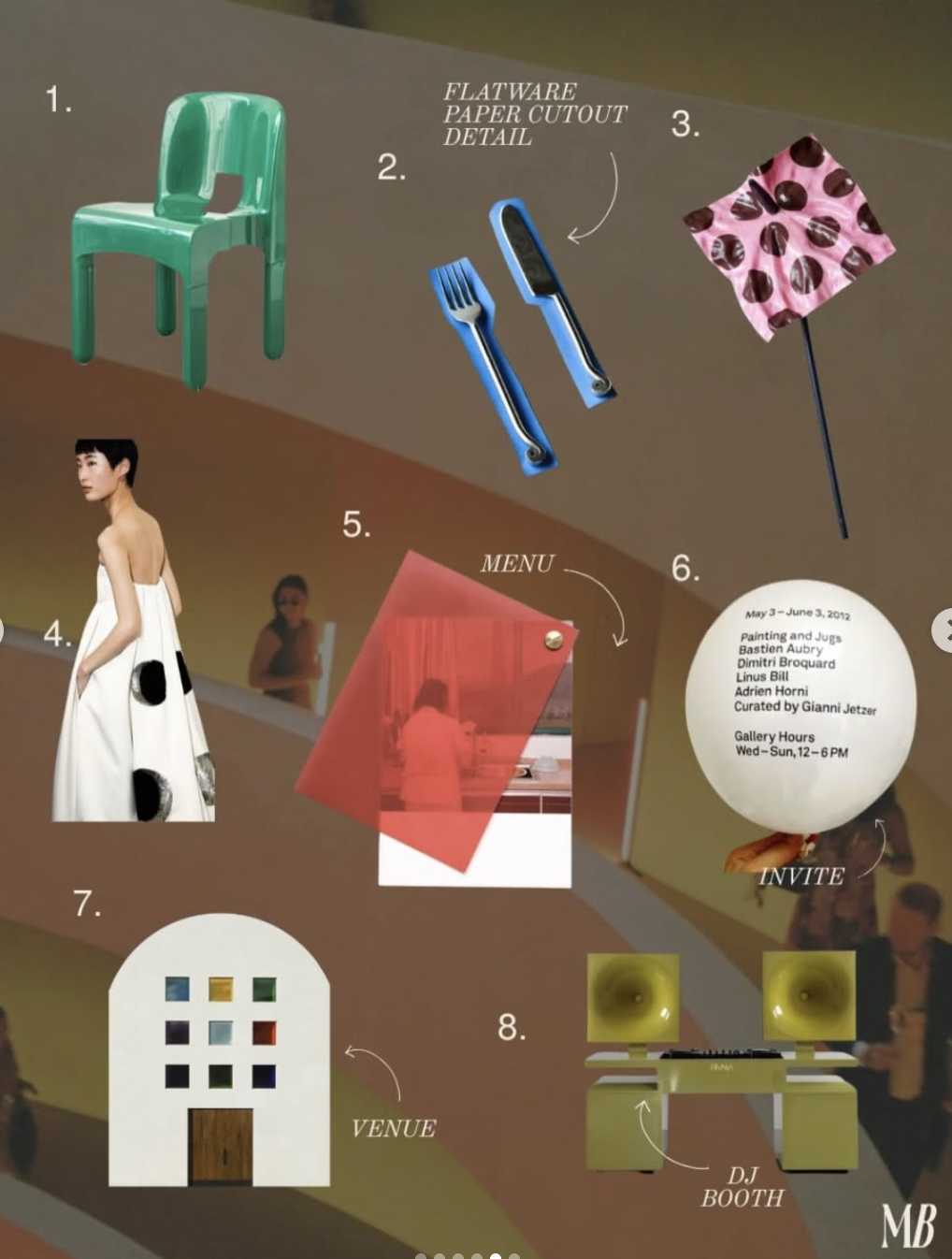
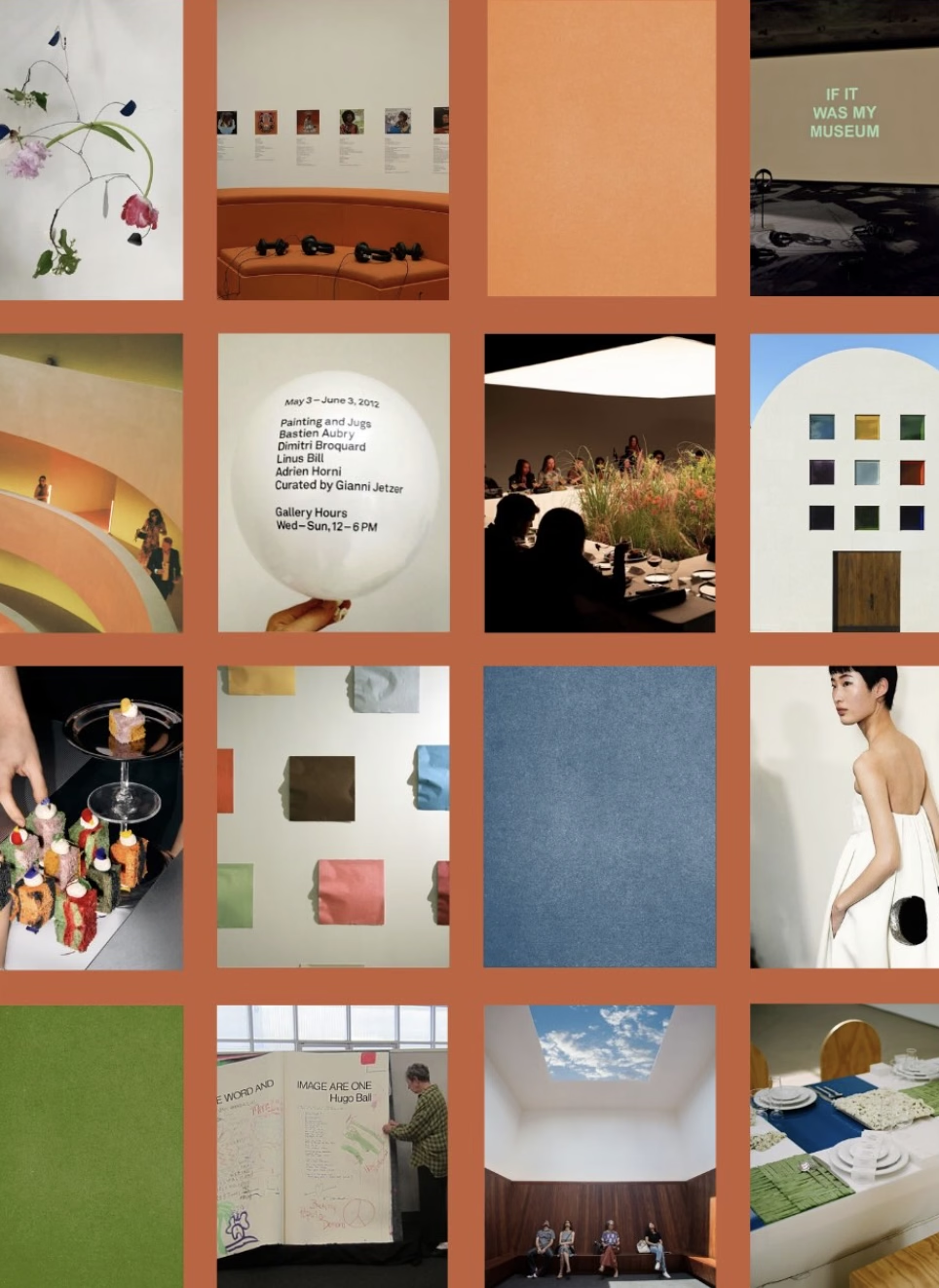
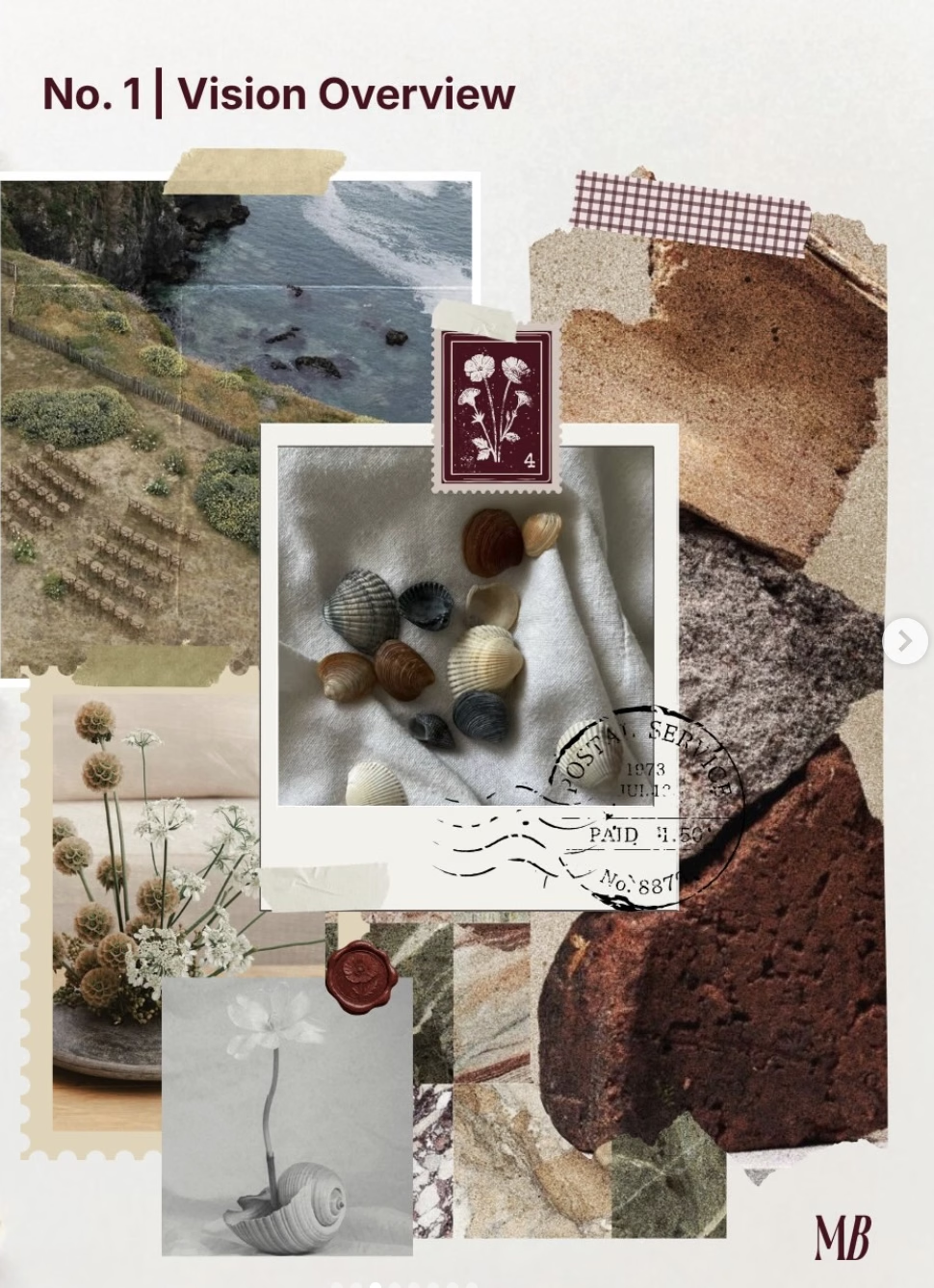
Rebecca Glayzer created The Mood Brief as a wedding design consultancy for couples who have plenty of inspiration but no clear direction. Instead of starting with isolated details like flowers, table settings, or color palettes, she helps couples pull together the bigger picture first. At its core, The Mood Brief is about turning chaos into clarity.Rebecca describes it as a way to take “scattered inspiration images, pieces of your story, maybe there’s family heirlooms or traditions” and shape them into “one clear cohesive direction” for your wedding. That direction can then guide everything else – from vendors to flowers to rentals to styling decisions. This is especially helpful if you are the kind of couple who loves multiple aesthetics. Maybe you like moody colors, but also clean minimalism. Maybe you save romantic gardens, modern editorials, and rustic tablescapes all in the same board. That does not mean your taste is bad – it just means you need help identifying the thread that connects everything. Rebecca’s work is not the same as traditional planning. She does not handle logistics, timelines, or contracts. Instead, she focuses on the creative side – the visual direction, the overall mood, and the choices that make a wedding feel intentional. That distinction matters. A wedding planner may help you execute the event. A design consultant helps you decide what the event should feel like in the first place.
Why Couples Get Stuck in Inspiration Overload
One of the biggest challenges in wedding planning is that it often happens in pieces. You book the venue, then look at flowers, then maybe think about linens, then circle back to photography. By the time you are making these decisions, you may already have dozens or hundreds of saved images – but no shared logic behind them. Rebecca sees this all the time. Couples come in with “crazy inspiration images” and no way to tell what is actually useful. The result is decision fatigue. That happens for a few reasons:
- You are exposed to too many aesthetics at once.
- You are making decisions before you know your full vision.
- You may be influenced by trends more than your own preferences.
- You are trying to build a wedding while also managing budget, family opinions, and vendor options.
Rebecca recommends a much simpler starting point: before you look at Pinterest, identify three feelings you want your wedding day to evoke. That might be:
- Coastal
- Rooted
- Gathered
Or maybe:
- Intimate
- Editorial
- Warm
Those words become a filter. Instead of asking, “Do I like this image?” you can ask, “Does this match the feeling I want my wedding to have?” That is a much more useful question.
How to Tell the Difference Between a Trend and Your Actual Style
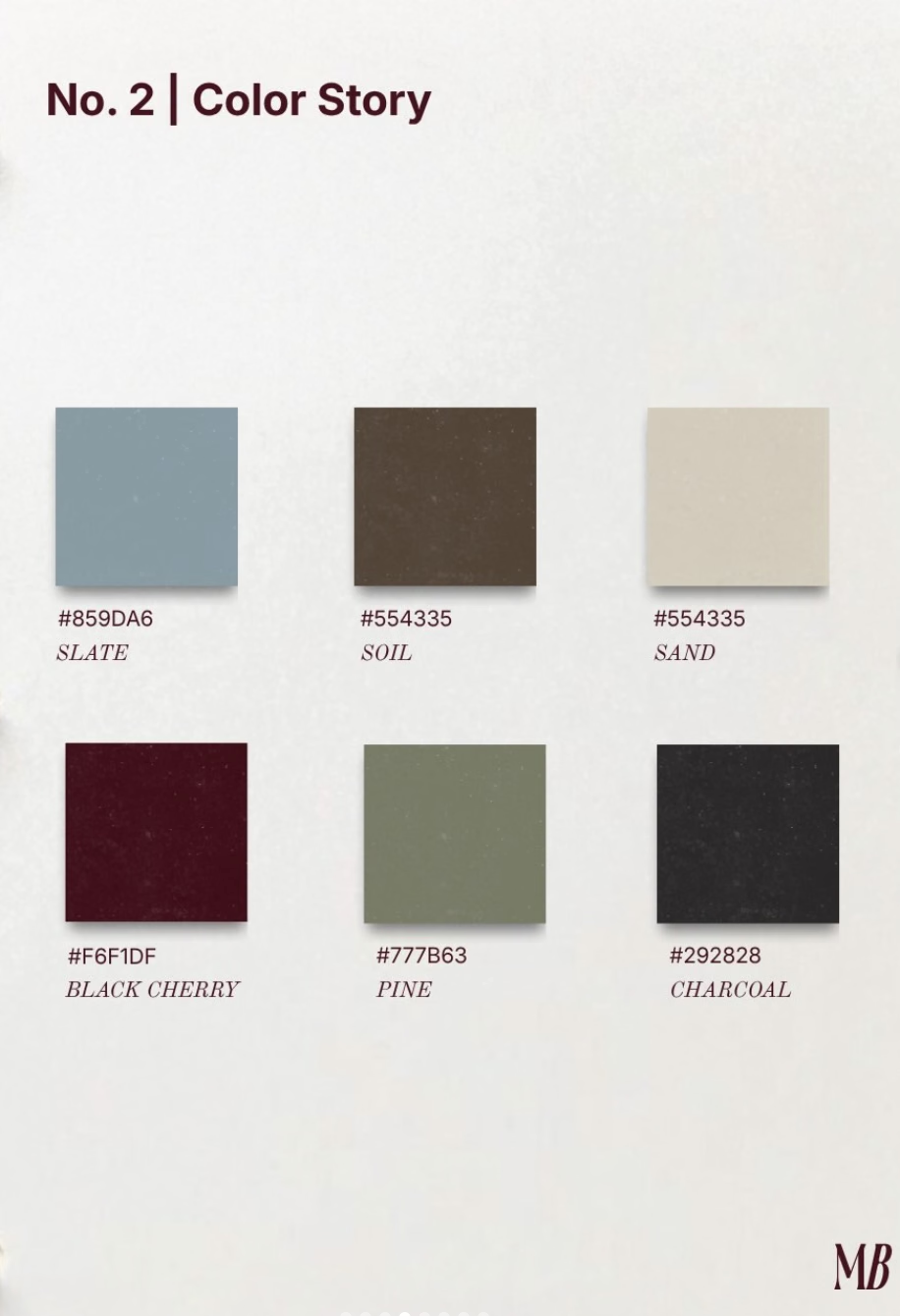
This is where a lot of couples get stuck. It is easy to save something because it is beautiful, but that does not mean it belongs in your wedding. Rebecca’s approach is to look for patterns in both the inspiration and the couple themselves. She asks about how they met, what they love doing, what their lives looked like before they met, and even what their home or apartment looks like. Those details often reveal the real style direction. For example, if a couple keeps saving:
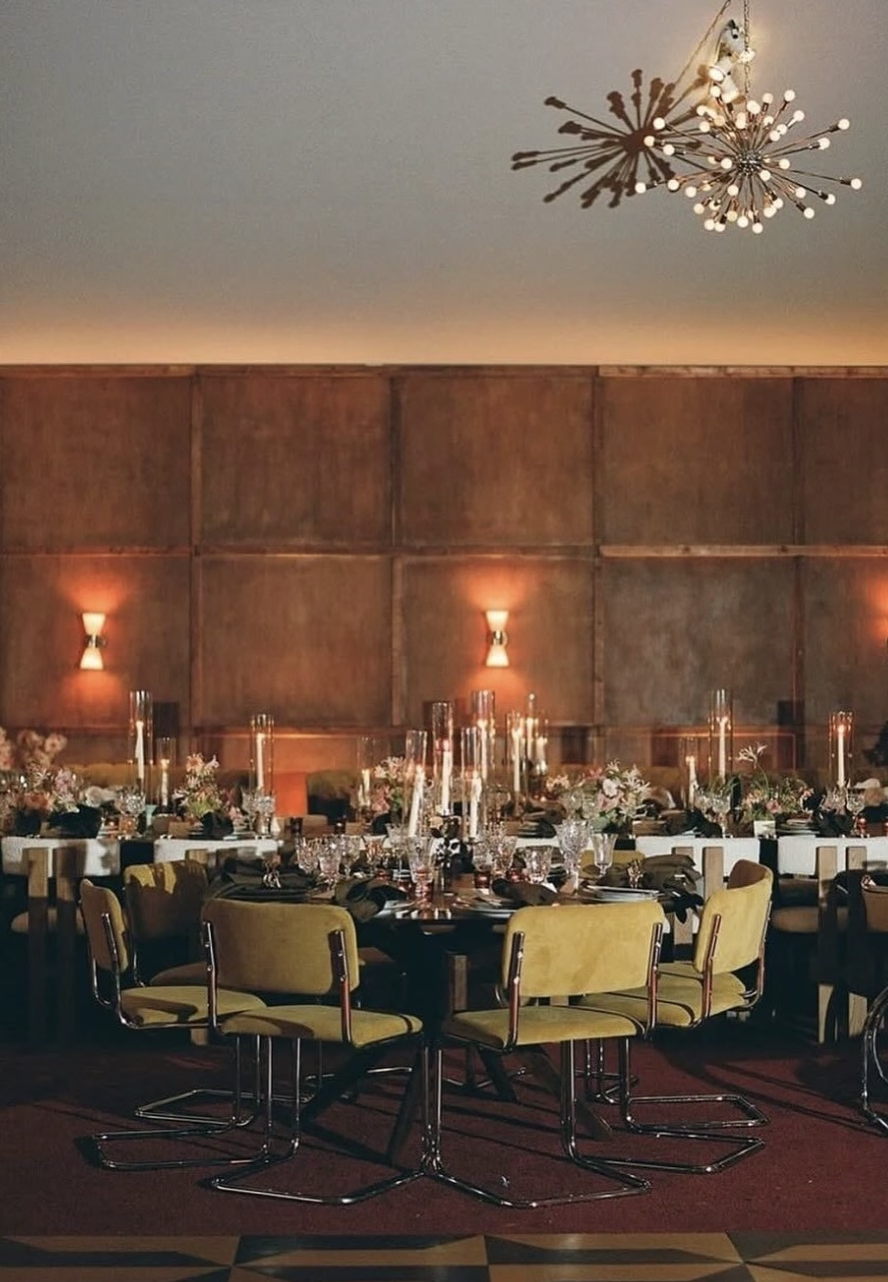
- deep browns
- darker woods
- moody lighting
- editorial flash photography
That tells Rebecca something important. The aesthetic is probably leaning more intimate and atmospheric than bright and airy, even if the couple has not said that directly. She also looks beyond wedding-specific inspiration. Maybe a couple is drawn to certain interiors, fashion references, or film stills. Maybe their apartment colors repeat across their saved images. Those clues help uncover a style that feels natural instead of copied. What makes this process so useful is that it reduces the pressure to “know your style” perfectly from the beginning. You do not have to solve your wedding vision in one sitting. You just need a better way to notice what keeps showing up.A few signs an image may be a trend rather than a true fit:
- You like it, but you cannot explain why.
- It looks beautiful, but it does not connect to your story.
- It is the exact style you have seen everywhere online.
- It does not fit your venue, budget, or guest experience.
Rebecca sends clients a one-page direction early in the process to check whether the vision feels right before building out a full brief. That small step helps avoid spending time on a design deck that misses the mark.
Budget, Compromise, and Why “Pretty” Is Not the Only Goal
A lot of wedding inspiration looks effortless online because you are not seeing the budget behind it. Rebecca is very clear that design should never be separated from reality. That means asking early:
- What is your design budget?
- What parts of the day matter most?
- Where are you willing to compromise?
- What can the venue already provide?
This is where good design becomes practical. Rebecca shared an example of a client in northern Michigan who wanted a laid-back, rooted wedding feel but had a design budget that could not support every idea on the original wish list. Instead of pushing the vision beyond reach, she adjusted the design with smaller bud vases on long tables so the couple could prioritize a photographer they cared more about. That kind of tradeoff is not a downgrade. It is smart planning.
Rebecca also pointed out that couples often get pressured into spending money on things that are not actually important to them. Maybe it is specialty flatware. Maybe it is transportation for guests. Maybe it is a high-end bar package that does not matter to you. Her advice is simple: spend where it counts for you. That also applies when two partners have different tastes. If one person wants a skateboard element and the other absolutely does not, Rebecca looks for subtle ways to merge the ideas. Maybe the colors, fonts, or textures of skate culture show up in the signage or stationery. Maybe the guest book is a skateboard deck. The point is not to force a theme. The point is to find a compromise that feels thoughtful. This is one of the strongest parts of her process – it helps couples make decisions that feel personal without becoming overdesigned or overly literal.
The Three Biggest Mistakes Couples Make When Building Their Wedding Vision
If you are just starting to plan, Rebecca says there are three common mistakes worth avoiding.
1. Following trends too closely: Trends are not bad, but they can take over your decisions if you are not careful. Rebecca said she is seeing more couples actively resist what they see everywhere online because they do not want their wedding to feel generic. The fix: use trends as a reference, not a rule.
2. Saving too much without organizing it: It is tempting to save everything that catches your eye. But a huge folder of inspiration does not help if you cannot see the pattern. The fix: sort your inspiration into simple categories like:
- Ceremony
- Cocktail hour
- Reception
- Tablescapes
- Florals
- Attire
Even three folders is enough if that is what keeps you organized.
3. Asking too many people for opinions: This one is hard, but Rebecca is very direct about it: do not hand your vision over to everyone else. Family and friends will have opinions no matter what. That does not mean you need to design your wedding by committee. If you keep checking every choice with other people, you will lose confidence in your own taste.The fix: make decisions with your partner first, then share as needed. One of Rebecca’s strongest pieces of advice is to trust your gut. If something matters to you and fits your budget, that matters more than outside expectations.
How The Mood Brief Helps Vendors, Too
A clear wedding design direction does more than help couples. It also makes life easier for vendors.Rebecca’s briefs are meant to serve as a creative starting point that photographers, florists, planners, and rental companies can actually use. Instead of a bride trying to describe a feeling with words alone, she can show a visual brief that communicates the style, tone, palette, and priorities all at once. That matters because wedding vendors need more than a vague idea. They need context.A strong brief can help answer:
- What flowers make sense for this season?
- What type of photography matches the vibe?
- Do the venue rules allow this setup?
- Are the rentals aligned with the design?
- What needs to be prioritized if the budget is tight?
Rebecca’s full offering even includes vendor suggestions based on the design direction and the couple’s budget. That kind of support is especially useful when you are overwhelmed by choices and do not want to spend hours contacting vendors who are not a fit. It also keeps expectations realistic. If your venue already has chairs and linens you can use, that may change the design plan completely. If you know that early, you can focus on the details that actually matter.
A Better Way to Start Designing Your Wedding
If you are feeling overwhelmed by wedding inspiration, Rebecca’s advice is refreshingly simple. Start by taking a breath. Then sit down with your partner and choose three feelings you want your wedding to evoke. Use those words to guide your inspiration search. Filter out what does not fit. Organize what does. And remember that your wedding does not need to copy what you have seen online to be beautiful. It just needs to feel like you. Rebecca’s process works because it is not about creating a perfect Pinterest board. It is about helping you see your own taste clearly enough to make confident choices. That might mean choosing a different flower, a simpler rental setup, or a more intimate photography style. It might also mean giving yourself permission to stop chasing images that are only beautiful in theory. The end goal is a wedding that feels aligned, not overproduced. When your design reflects your story, your guests feel it too. If you want to hear more from Rebecca Glayzer, check out The Mood Brief at themoodbrief.com or follow her on Instagram at @themood.brief. You can also revisit her earlier conversation on floral design for more ideas on how to bring your wedding vision to life.
Frequently Asked Questions
What is a wedding inspiration board?
A wedding inspiration board is a collection of images, colors, textures, and ideas that represent the look and feel you want for your wedding. It helps you and your vendors make more consistent design decisions.
How do I know if my wedding inspiration is too trend-driven?
If you love an image but cannot explain why it fits you, it may be more trend-driven than personal. A good test is whether the image connects to your story, venue, or priorities.
What are the three feelings idea Rebecca recommends?
Rebecca suggests choosing three words that describe how you want your wedding to feel before looking at inspiration. Those words can guide every design decision and help you filter out images that do not fit.
Can a wedding design brief help with budget?
Yes. A strong design brief helps you focus on what matters most and avoid spending money on details that do not support your vision. It also helps vendors suggest realistic options.
Do I need a wedding designer if I already have a planner?
Not necessarily, but a designer can be helpful if you want extra support with the visual direction of your day. Planners often handle logistics, while designers focus more on the look and feel.
Show Notes
Alyssa catches up with Rebecca Glayzer, founder and wedding creative director of The Mood Brief. Rebecca was on an earlier episode about floral design. This time she explains how she turns scattered inspiration into one clear design direction. She also shares practical advice for couples who feel overwhelmed by Pinterest boards, trends, budgets and other people’s opinions.
Check out our other episode with Rebecca here: https://podcasts.apple.com/us/podcast/111-the-future-of-wedding-florals-w-poppys-floral/id1730299241?i=1000755953408
IG: https://www.instagram.com/themood.brief
Website: www.themoodbrief.com
Tiktok: https://www.tiktok.com/@themoodbrief
See more on this episode here: https://nashvillebrideguide.com/pinterest-overload-how-to-turn-your-wedding-inspo-into-a-planw-rebecca-glayzer-of-the-mood-brief/
Subscribe to our podcast HERE:
See more videos on our Youtube Page: https://www.youtube.com/@TheWeddingReporterPodcast/
Sign up for a wedding coaching session with Alyssa: https://www.thesparklersociety.com/weddingcoaching
Download Our 5 Mistakes Couples Make After They Get Engaged Guide: https://www.thesparklersociety.com/5mistakes
Visit https://www.NashvilleBrideGuide.com for more information!