Powered by RedCircle
Picture this: you’ve found your dream wedding gown, but when the bill for alterations arrives, you’re surprised — and not in a good way. Wedding gown alterations can sometimes feel like a hidden cost, sneaking up on brides when they least expect it. To help you navigate this crucial part of your wedding budget, I sat down with Nadine Bozeman, a bridal alterations expert based in the Pacific Northwest. With years of hands-on experience, Nadine shares invaluable advice on how to plan for alterations, what to avoid, and how to ensure your dress fits perfectly on your special day. In this episode, you’ll learn the true scope of wedding gown alterations, typical costs, how to plan your timeline, and tips for choosing the right seamstress — so you can confidently budget and avoid surprises.
Why Wedding Gown Alterations Should Be a Priority in Your Budget
Most brides spend months dreaming about their wedding dress, but alterations often fall to the bottom of the list when creating a wedding budget. That’s a big mistake. Nadine emphasizes that alterations are one of the most essential investments in your wedding attire.Many brides don’t realize that their dress ordered from the store isn’t ready to fit perfectly right out of the box. Gowns are typically made to fit one measurement, and your body may be different. Tailoring the dress to your unique shape — from hemming to bodice fitting — is what turns a “nice dress” into “the one.”
The key takeaway:
Budget at least 10-15% of your gown cost for alterations. This ensures you’re prepared for everything from simple hemming to complex fitting or customizations.
What Does a Bridal Seamstress Do Beyond Hemming?
When most people think of gown alterations, hemming is the first thing that comes to mind. But Nadine insists that alterations encompass much more. Here’s an overview:
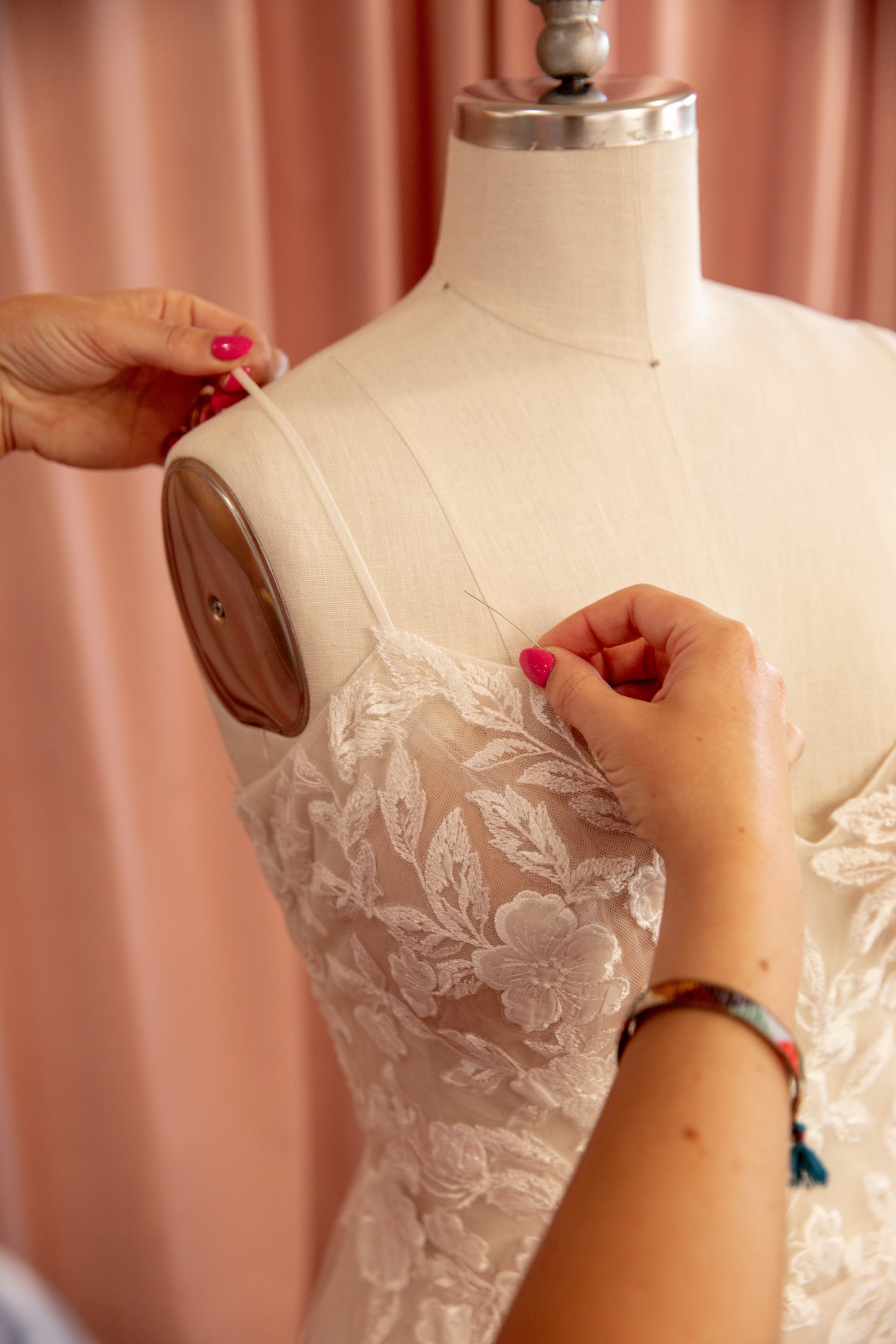
- Hemming layers and trains: Bridal gowns often have multiple layers that need to be hemmed precisely, especially for full skirts or trains that can have seven or more layers.
- Bust and bodice fitting: The bodice can be reshaped or taken in to contour your body perfectly, especially for brides with uneven proportions.
- Strap adjustments: Long straps can be shortened, or new straps can be added for better support or style.
- Adding a bustle: For managing train length during the reception, a bustle system is sewn into the gown.
- Customizing details: Sleeves, added support, layers, or unique design features like slits or beading are all part of the process.
The big myth:
Many brides assume alterations are just about hemming. However, a skilled seamstress can customize nearly every part of your gown to fit your body and style, making it uniquely yours.
Common Misconceptions About Wedding Dress Alterations
One of the biggest misconceptions Nadine addresses is the idea that alterations are minor or optional. In reality:
- Alterations are essential: Even if your gown looks perfect when you try it on, your body may change before the wedding, or you might want modifications for a better fit.
- Timing is critical: Brides often forget to book their seamstress early. Nadine recommends scheduling your first fitting at least 14 weeks before the wedding, avoiding rush fees and ensuring ample time for changes.
- Alterations aren’t always budgeted: Many couples overlook these costs, leading to unexpected expenses close to the wedding day.
Pro tip:
Book your seamstress as soon as you find your dress. Many skilled professionals are booked months in advance — securing your spot early is the best way to avoid stress and extra costs.
Budgeting for Wedding Gown Alterations: What’s Realistic?
So, how much should you set aside for alterations? Nadine shares some standard price ranges based on her experience across different regions:
- Basic alterations: $600-$700 — includes hemming, basic straps, and a bustle
- Average alterations: $900-$1,000 — additional bodice fitting, side adjustments, or minor customizations
- Customizations and complex work: $1,200-$1,500+ — intricate lace work, beading, custom sleeves, or size changes
Regional differences matter:
Alteration costs vary depending on where you live. Brides in bigger cities like Seattle or Nashville might pay more, while smaller towns may cost less. For example, in some areas, brides have been quoted up to $2,500 for extensive alterations.
Another key point:
Know this — most seasoned seamstresses charge between $600 and $1,000 for standard alterations. Remember, this is an investment in how you look and feel on your big day.

How to Plan Your Timeline to Avoid Rush Fees
Timing is everything. Nadine explains that the ideal timeline includes:
- First fitting: 14 weeks before the wedding
- Second fitting: 6-7 weeks before the wedding
- Final fitting: 1-2 weeks before the wedding
Booking early allows your seamstress to work without rushing, and prevents extra fees. Many seamstresses have tiered rush fees, often costing an additional $100 to $800 depending on how close to the wedding you request the work.
Tip:
Don’t wait until you pick up your dress to schedule fittings. Reach out immediately after ordering — as early as when your gown arrives. Early booking ensures your alterations are done on time and to your satisfaction.
Choosing the Right Seamstress: Red Flags and How to Find the Best Fit
You want your dress to fit beautifully, so selecting a qualified seamstress is essential. Nadine suggests:
- Start with trusted recommendations: Bridal boutiques often provide referrals.
- Check reviews: Look at Google, social media, and review sites.
- Feel the vibe: Social media profiles like Instagram reveal work quality and seamstress personality.
- Schedule a consultation: Make sure you feel comfortable, safe, and confident during your appointment.
- Watch for red flags: Unprofessional behavior, poor hygiene, or rushed appointments can signal subpar service.
Nadine emphasizes that alterations are a vulnerable experience for brides. It’s crucial to work with someone who makes you feel comfortable and respected.
Tips for Saving Money Without Cutting Corners
While alterations are an investment, there are ways to manage costs:
- Prioritize key adjustments: Focus on the most impactful modifications like bodice fitting and hems.
- Limit customizations: Extra sleeves, beading, or layers can add hundreds to your bill.
- Shop smart: Consider used or sample gowns, but remember that alterations will likely cost more if the dress has a lot of beads or lace.
- Plan for the unexpected: If you anticipate body changes (weight loss, pregnancy), discuss this early with your seamstress — it may increase costs.
Important:
Never skip necessary alterations like hemming or fitting. These are vital for comfort, safety, and appearance.
The Power of Proper Alterations for Your Confidence
Your wedding day is one of the most memorable moments of your life. Proper alterations ensure your gown makes you feel beautiful, confident, and comfortable. Nadine’s passion shines through when she talks about contouring dresses to fit a bride’s body — transforming an off-the-rack gown into a custom gown.
Extra tip:
Don’t forget to budget for accessories like veils, jewelry, or shoes — they also influence how your gown looks and fits.
Plan Ahead, Budget Wisely, and Choose Carefully
Brides, your wedding dress is a significant investment, not only financially but emotionally. By understanding the true scope of alterations, starting early in your planning, and selecting a trusted seamstress, you can avoid surprises.Remember, alterations aren’t just adjustments—they’re the final touch that makes your gown a perfect reflection of you.
Next step:
Reach out to your chosen seamstress early, ask for quotes, and get your timeline on the calendar. Your dream dress is worth it.
FAQs About Wedding Dress Alterations
How early should I book my bridal seamstress?
Aim to book at least 14 weeks before your wedding date to allow ample time for fittings and adjustments.
How much do wedding gown alterations cost?
Basic alterations typically range from $600 to $700, with more complex work costing up to $1,500 or more depending on your location and dress complexity.
What alterations are most expensive?
Customizations like adding sleeves, lace work, or significant size changes tend to be the most costly.
Can I cut costs by skipping some alterations?
Skipping essential updates like hemming or bodice fitting can lead to an uncomfortable or ill-fitting dress — avoid compromising on these.
How do I find a reliable seamstress?
Start with recommendations, check reviews and social media, and schedule a consultation to ensure comfort and expertise.
Show Notes
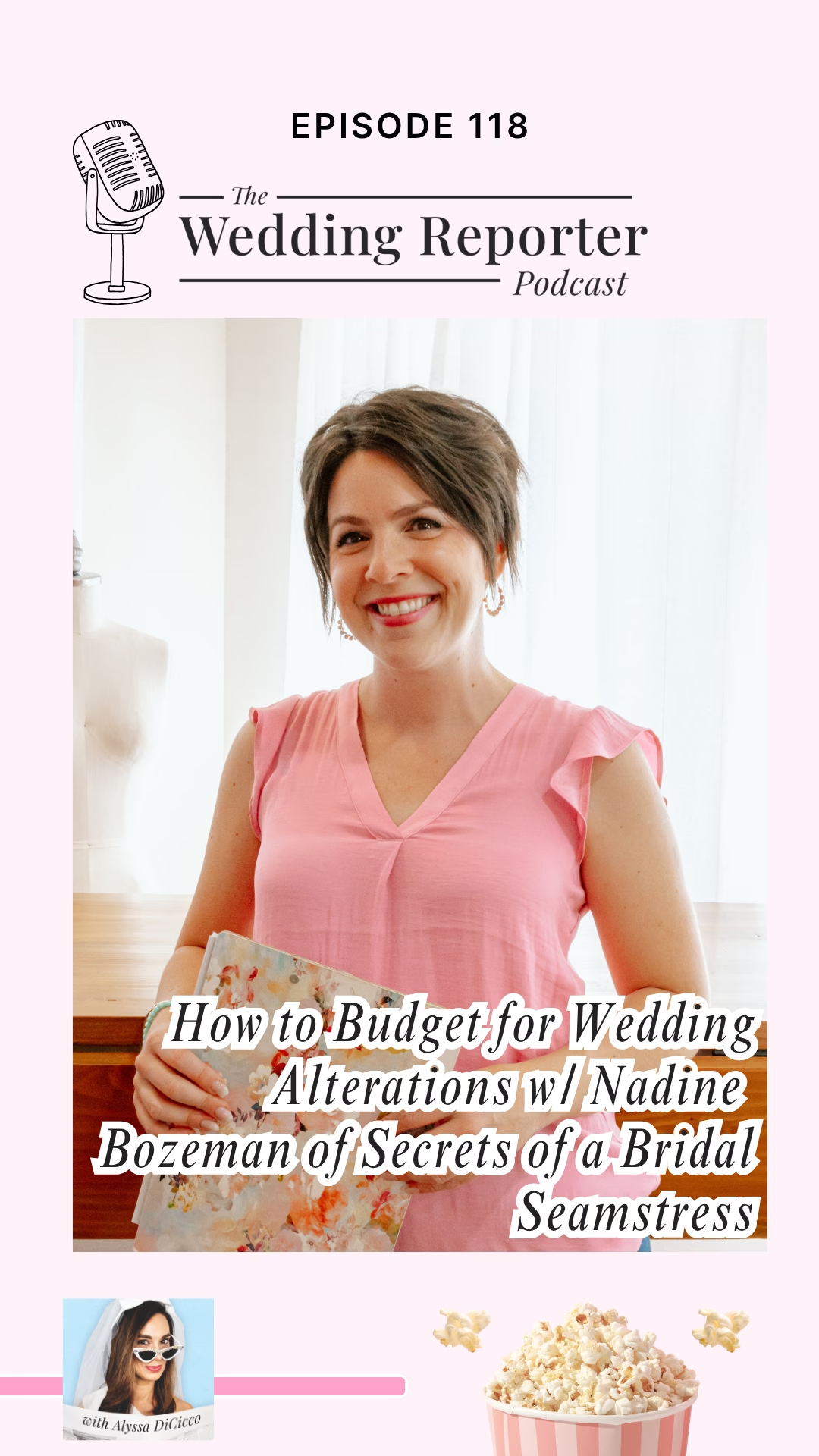
Nadine Bozeman, a bridal alterations expert of Secrets of a Bridal Seamstress, shares invaluable insights on budgeting, timelines, and the intricacies of wedding dress alterations. Perfect for brides-to-be, she demystifies the process and offers tips to ensure your gown fits flawlessly on your special day.
Follow Nadine on Instagram: https://www.instagram.com/secretsofabridalseamstress
Check out Nadine’s Website: https://www.secretsofabridalseamstresspodcast.com
See more on this episode here: https://nashvillebrideguide.com/how-to-budget-for-wedding-alterations-w-nadine-bozeman-of-secrets-of-a-bridal-seamstress/
Subscribe to our podcast HERE: https://redcircle.com/shows/76e6a514-5adb-4b83-859d-208d403f23a5
See more videos on our Youtube Page: https://www.youtube.com/@TheWeddingReporterPodcast/
Follow The Wedding Reporter Podcast on Instagram: https://www.instagram.com/theweddingreporterpodcast/
Sign up for a Wedding Coaching Session with Alyssa: https://www.thesparklersociety.com/offers/LRkXTzvj
Download Our 5 Mistakes Couples Make After They Get Engaged Guide: https://www.thesparklersociety.com/5mistakes
Visit https://www.NashvilleBrideGuide.com for more information!